People ask this like it's one decision. It isn't. A reference photo and a trained LoRA solve different problems, and the right call depends on how many angles, poses, and shots you actually need out of a character.
What Identity Edit does
Krea 2's Identity Edit takes two inputs: the scene as image 1, the person as image 2. It keeps the scene composition and swaps in the identity from image 2. No training step. You don't need a dataset, you don't need to wait, you just need one clean, front-lit reference photo of the face you want.
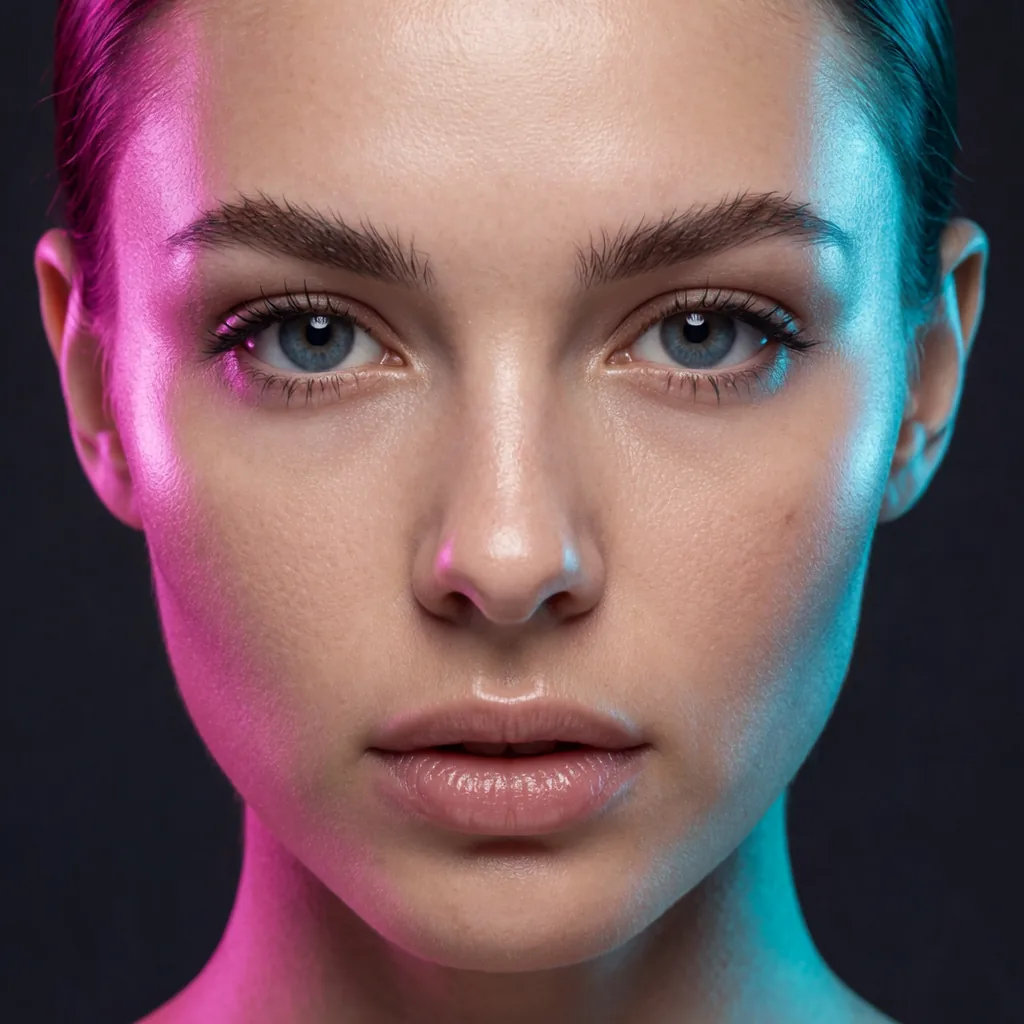
That last part matters more than people expect. A dim photo, a side angle, heavy makeup, or a weird expression all get carried into the output as noise. The model is doing its best with what you give it. Front light, neutral expression, eyes open, no sunglasses. Boring photos make the best references.
This is the fast path. If you need one character in one scene, or you're testing whether a face even works before committing more time to it, start here. There's a free Krea 2 workflow to try this with, and if you want it wired for batches of scenes at once, the bulk reference swap workflow runs the same swap across a stack of images without training anything.
Where reference photos run out of road
A single reference photo is one data point. It tells the model what the face looks like from one angle, in one light. Ask for a three-quarter turn, a low angle, or hard side light, and the model has to infer the rest. Most of the time it does fine. Sometimes it drifts — a jaw gets softer, an eye shape shifts, the face reads as the same person but not quite the same photo of that person.
For a single hero shot, that drift usually doesn't matter. For a shoot with a dozen angles, or a video sequence where the face needs to hold across frames, it starts to show. This is the point where a reference photo alone stops being enough, not because it's broken, but because it was never meant to carry that much weight.
Training a LoRA for tighter likeness
A trained LoRA gets built from a dataset of the character's face rather than one photo. That dataset gives the model multiple angles, multiple lighting conditions, and enough coverage that it stops guessing and starts reproducing. In our tests, a Krea 2 character LoRA held identity best of the models we compared — tighter likeness across angles than a reference image alone could manage.
The tradeoff is upfront cost. You need a dataset, and you need to run the training. If you're starting from one good photo, the dataset-from-one-face lesson walks through building that dataset without needing a photoshoot. Once the dataset's ready, the trainer handles the actual LoRA.that single photo workflow is worth knowing even if you never train anything, because it's the same discipline — clean, front-lit, neutral — that makes a training dataset work well too.
Stacking both
The two aren't mutually exclusive. A trained LoRA gives you the face's structure across angles; a reference photo can still steer specific details in a given shot — an expression, a lighting match, a specific look you want in that frame. Stacking them means the LoRA holds the identity steady while the reference nudges the output toward what that particular image needs.
This is the setup worth reaching for once you've got a character you're going to use repeatedly — a recurring character in a series, a brand mascot, something that needs to survive dozens of shots without drifting. For one-off images, it's overkill. For a character you'll shoot for months, it's the difference between consistent and almost-consistent.
If you're running this at any scale, the bulk character swap workflows are built around the trained-LoRA approach, including a dynamic variant for projects where the character's look needs to flex shot to shot.
How to actually decide
A rough way to think about it:
- One scene, one shot, need it fast: reference photo only.
- Many angles or a recurring character, likeness has to hold: train a LoRA.
- Recurring character where specific shots still need fine control: train the LoRA, stack a reference photo per shot.
The honest answer is that reference photos are cheap and LoRAs are an investment. Don't train one for a face you'll use once. Do train one for a face you'll use fifty times.
Start with a reference photo to confirm the face reads well in Krea 2 at all — if it doesn't hold up on a single clean shot, a LoRA won't fix that. Once it does, and you know you need the character again, that's the point to build the dataset and train.